Coverage Planners
Three path planners have been compared:
Boustrophedon Coverage
Morphology-based Skeleton Coverage
Spanning Tree coverage
The Boustrophedon coverage planner package had compatibility issues with other packages used for navigation, this resulted in Boustrophedon not working on the MIRTE Master.
The morphology-based skeleton coverage planner performed well in laboratory-like environments but worse in larger open spaces. This planner allowed the robot to maneuver efficiently between objects such as tables and chairs while still being able to get into tight places. The morphology based skeleton coverage planner also resulted in the least amount of sharp turns which, due to the simple nature of the MIRTE Master odometry (wheel encoders only), helped the robot not to lose track of where it was and thus keeping the map clean. However, the skeleton planner performed slightly worse in terms of coverage performance. This resulted from the lower density of the planned path, which resulted in the robot sometimes missing the edges of larger free spaces that needs to be scanned for objects.
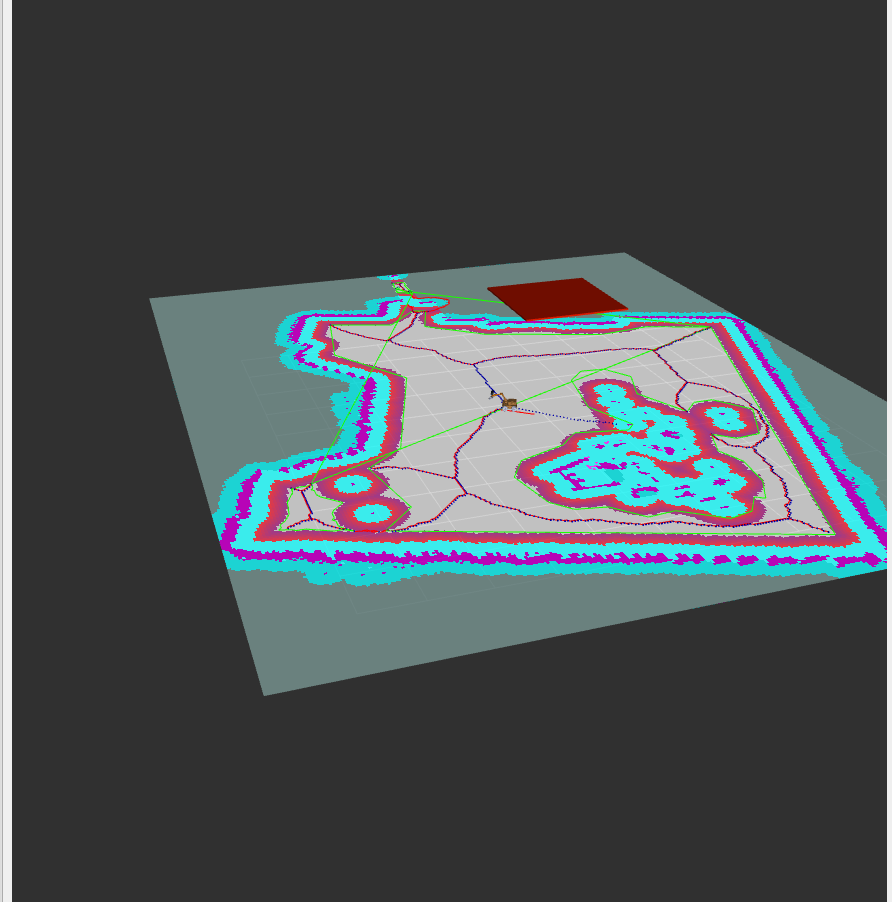
Figure 1:Picture of skeleton path in laboratory environment (RviZ).
The spanning tree coverage planner performed well in large open spaces, but unlike the morphology based skeleton coverage planner, it struggled more with planning paths in tighter spaces such as laboratory environments, resulting in separate path loops being stitched together, and possibly missing tighter spots between the loops. Also, due to the nature of the coverage pattern, a lot of smaller radius turns are generated which resulted in the robot sometimes slowly accumulating drift in the odometry, resulting in less accurate localisation and a less accurate map.
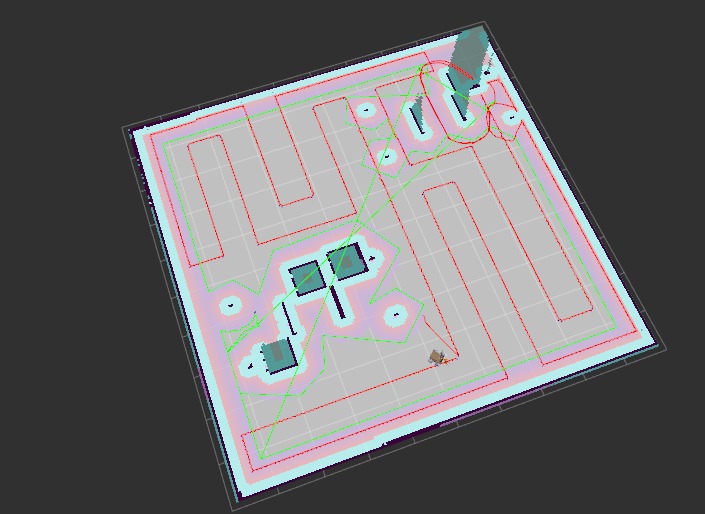
Figure 2:Picture of spanning tree path in laboratory environment.
Object Localization And Classification
For object detection worked on a localization method and a classification method. Our object localizator relies on bounding boxes that are retrieved from pointclouds made by the depthcamera’s depth images. Our object detector was able to find objects sized within 1cm to 6cm. A bounding box drawn around a found object in the pointcloud is shown in the figure below. The custom-made YOLO26 object detection model worked as intended, being able to classify the localized objects correctly. In the figure shown below a frame from the RGB sensor of the depth camera is shown in the bottom right corner.
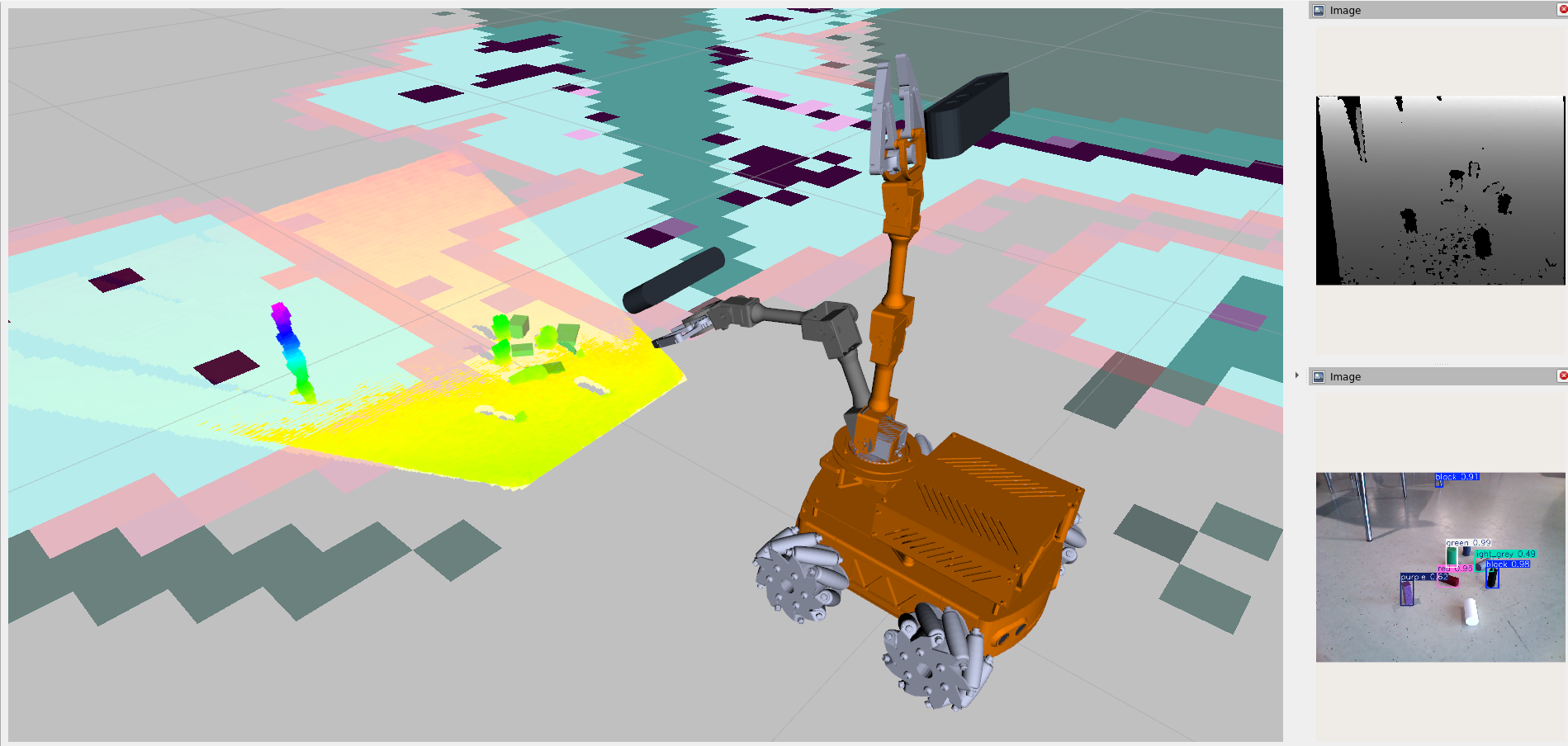
Figure 3:Figure of bounding box drawn around found objects and YOLO26 working simultaneously.
Manipulation
Movement accuracy
The manipulation of the actuator has seen major improvements regarding movement accuracy. The initial accuracy of the actuator was around 15cm. After the code was reworked, the actuator was controlled by actual joint values instead of approximations. This reduced the error significantly, resulting in a movement error of only 1mm.
Gripping performance
The gripping performance of the original robot was slightly increased by adding rubberized patches to gripping surfaces to the gripper. This has helped gripping the smooth, plastic testing objects significantly when the gripper approached the objects at a sub-optimal approach angle.
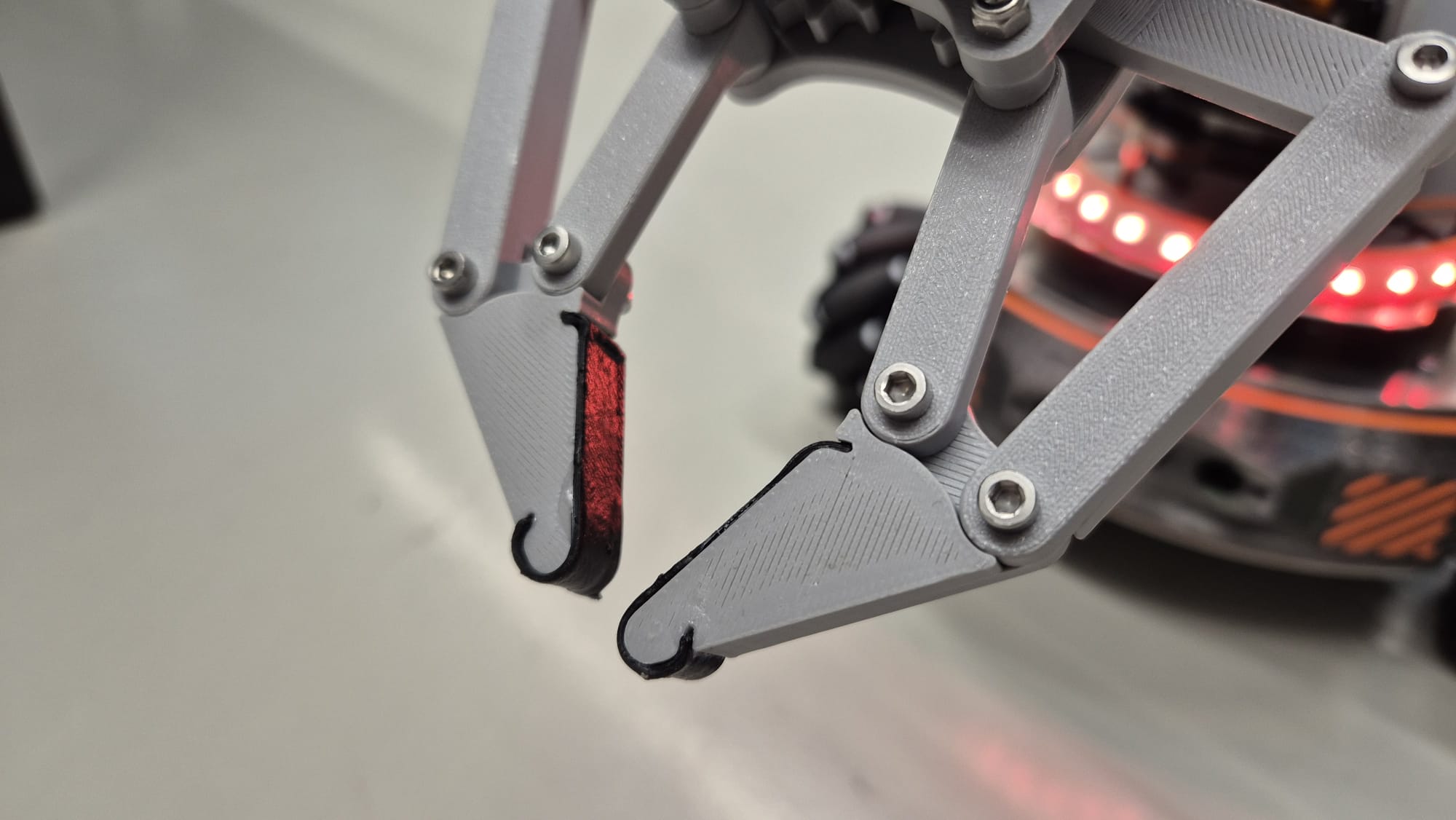
Figure 4:Figure showing rubberized gripping surfaces.